Qewlê Pîr Dawid
Qewlê Pîr Dawid Qewlê Pîr Dawid (Hymn of Pîr Dawid) is a hymn which contains a hagiographic account of Pîr Dawid, also known as Pîr Dawidê Xerbende. Xerbend (lit. clothed in rags) customarily refers to a Derwêş or a (faithful)

Qewlê Pîr Dawid Qewlê Pîr Dawid (Hymn of Pîr Dawid) is a hymn which contains a hagiographic account of Pîr Dawid, also known as Pîr Dawidê Xerbende. Xerbend (lit. clothed in rags) customarily refers to a Derwêş or a (faithful)

Qewlê Kofa Qewlê Kofa or Qewlê Kofiya (Qewl of the Headdress), also known as Qewlê Pîrê Libnana (Qewl of Pîr Libnan), or after its first line, Qewlê Dilê Min î bi Kovan e (Qewl of ‘My Heart is Filled with

Qewlê Şêxê Hesenî Siltan e Qewlê Şêxê Hesenî Siltan e (Hymn of Şêx Hesen is the Sultan), is a ‘Berane’ Qewl believed to have been composed by Melek Fexredîn. The Qewl tells about grief and fate, and about the power

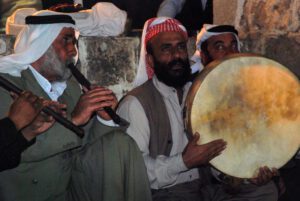
Qewls – Religious Hymns Qewls are religious hymns that occupy the highest position in the hierarchy of Ezidi religious literature. In Ezidi tradition, it is believed that the Qewls are of divine origin and composed by real historical saintly figures
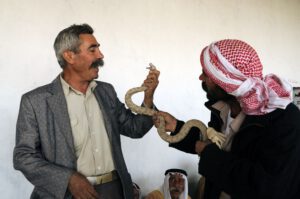
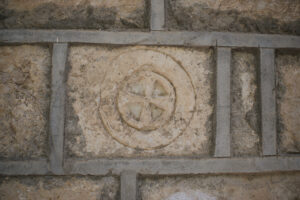
Abstract This article aims to delve into the religious and symbolic significance of snakes in Ezidism, a religion indigenous to Kurdistan, and their role in Ezidi mythology. Additionally, the holy and historical figure of Şêx Mend, who is recognized as

The Four Elements Air, Fire, Earth and Water are the four elements that are venerated and regarded as sacred in Ezidism. They are believed to be the source of all other natural elements in the World and the foundation of

The Ezidi Genocide The Ezidi community has suffered immensely over the years, and one of the most tragic events in recent history was the genocide perpetrated against them by ISIS in 2014. It is estimated that over 10,000 Ezidis were